
A Bakery Owner's First Sponsored Feature, Start to Finish
Nadia runs a small neighbourhood bakery and agreed to a labelled sponsored feature. Our photo editor followed how the quotation, the visit and the finished piece came together.
7 minutes to read
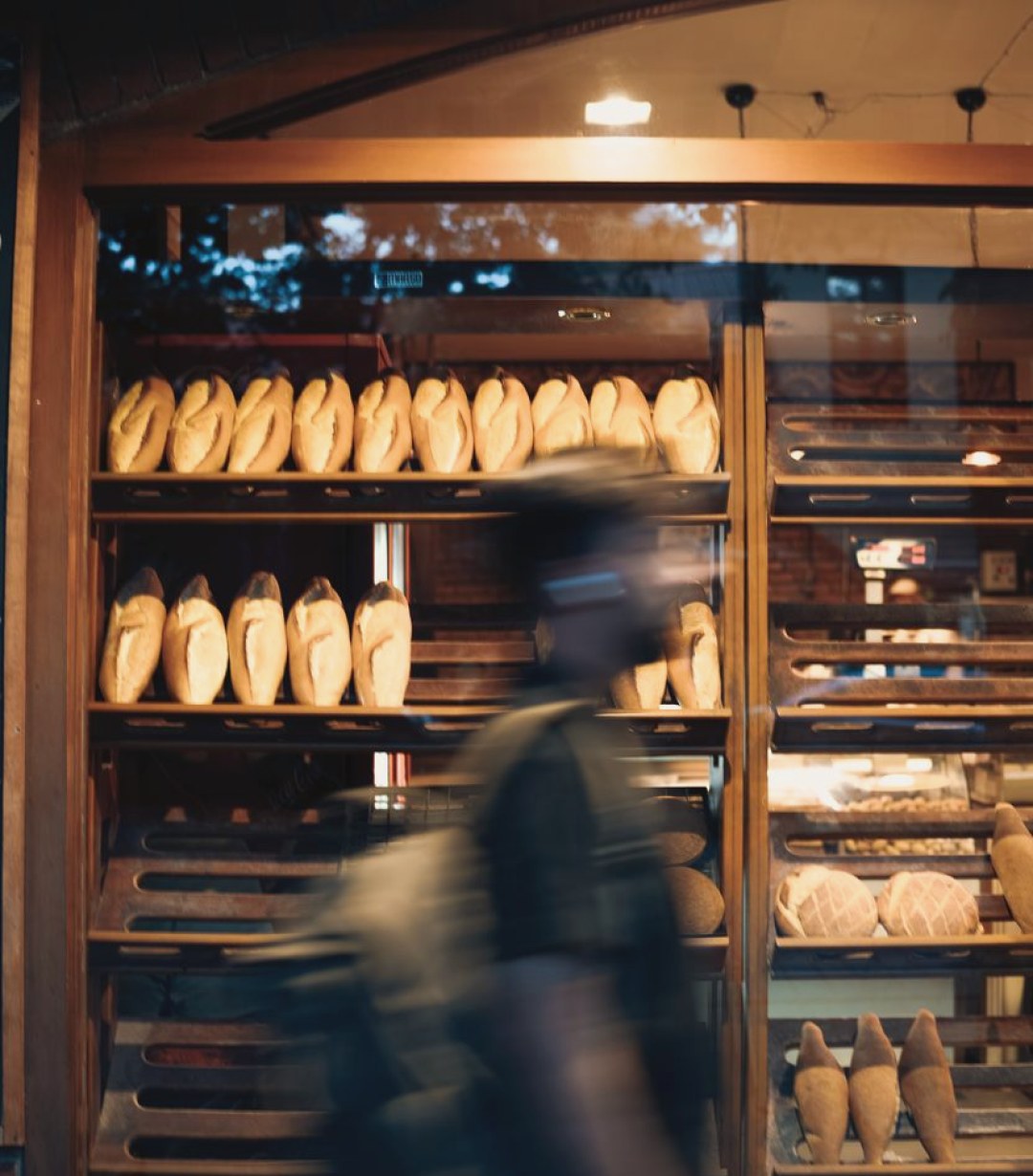
A bakery on a quiet corner
I first met Nadia on a grey morning in early autumn, when the windows of her bakery were fogged from the ovens and a line of regulars had already formed at the counter. She had been baking in the same narrow shop for nine years, and most of her customers found her by walking past. She told me she had never written a word about her own business and did not know where to begin.
She had read our sponsored features before and noticed the label at the top of each one. That honesty, she said, was what made her curious rather than wary. She wanted something that read like a real story about her bread and her street, not a flyer in disguise.
I should say plainly what my part is. I am the photo editor, so my job is to see the place first and decide what a reader ought to look at. That morning I mostly stood out of the way, watched the rhythm of the shop, and made notes about light, steam and flour on the wooden counter.
Nadia asked me, half joking, whether she would be allowed to read the piece before it ran. I told her what our process promises: the business sees the draft, can correct facts, and the label stays on regardless. That settled her nerves more than any reassurance would have.
How the quotation came about
Nothing begins with a payment. Nadia wrote to us through the contact page, describing the bakery in a few lines and asking what a feature might involve. A reply came back from our editor's desk asking about her goals, her busiest weeks and what she hoped a reader would remember afterwards.
From those answers we prepared a written quotation. It set out what the feature includes, how many photographs it covers, who writes it and what could change the price, such as a second visit or extra images. Nadia read it twice and phoned with two questions, both about timing.
She accepted in writing, and an invoice followed, paid by bank transfer. There was no pressure and no countdown. She told me later that the plain paperwork was a relief, because she had braced for a sales pitch and got a clear list of what she was paying for.
I mention this because many owners imagine a sponsored feature as something vague and open-ended. In practice it is a defined piece of editorial work, agreed in advance, with a fixed scope that both sides can read and refer back to.
- Enquiry through the contact page
- Written quotation with scope and price
- Written acceptance, then an invoice paid by bank transfer
The day of the visit
I arrived before opening so I could photograph the shop while it was still calm. Nadia moved through her routine without posing, shaping dough, sliding trays into the oven, wiping the counter. The best frames came from those unplanned moments, not from the few arranged shots she offered at the start.
We agreed on a short list of scenes: the early loaves cooling on racks, her hands dusted with flour, the chalkboard menu, and a regular customer collecting an order. I asked permission before including anyone in a frame, and the customer, Walt, was happy to be there as long as nobody printed his surname.
Autumn light helped. The low sun came through the front window around mid-morning and landed squarely on the display shelves, which gave the crusts a warm colour I could not have arranged with any lamp. I waited for it, and we simply paused our conversation until it arrived.
By noon I had what I needed. Nadia gave me a loaf for the drive home, and I ate half of it in the car. I mention that only because it tells you something about whether the photographs needed any help to look appetizing.
Writing it without selling it
The text was written by one of our writers from Nadia's own account of the shop, her early mornings and the recipes she inherited from an aunt. The aim was an honest portrait of a working bakery, which is what our readers expect from every article we publish, paid or not.
A sponsored feature still has to meet our standards. We do not invent quotations, we avoid claims we cannot support, and we do not describe results or promise that customers will arrive in crowds. If a sentence sounded like an advertisement, it was rewritten until it sounded like observation.
Nadia read the draft and changed two small details: the name of a rye loaf and the year the shop expanded. She asked for nothing else. When owners try to steer a feature toward slogans, we explain that readers sense it immediately, and that a plain story serves the business better.
The label at the top of the page stayed exactly where it always sits, in clear wording, so no reader could mistake the piece for something else.
What Nadia noticed afterwards
When the feature went up, Nadia did not report any dramatic change, and I would distrust anyone who did. What she described was smaller and more believable: a few new faces mentioning that they had read about the shop, and an older couple who had lived nearby for years without ever stepping inside.
She also said the process itself taught her something. Having someone ask careful questions about her work made her articulate things she had never put into words, like why she shapes rolls by hand even when it is slower. That clarity now shows up on her own shelf labels.
I think that is a fair, modest outcome. A well-made feature gives a business a lasting, readable account of itself that can be shared with neighbours and kept for years. It does not guarantee a queue out the door, and we never suggest it will.
Nadia asked me to pass on her thanks to the writer, which I have, though the writer insisted the credit belonged to the bread.
If you are considering one
Owners sometimes ask me what makes a good subject for a sponsored feature. The honest answer is a place with a real story and an owner willing to be seen as they are, including the early hours and the unglamorous corners. Polish matters less than character.
Before writing to us, it helps to gather a few simple things: a short description of the business, the dates you are busiest, and any limits on photographing staff or customers. None of this needs to be elaborate, and we fill gaps through conversation.
Remember too that the process is written down at every step. You receive a quotation, you review the draft, you pay by bank transfer against an invoice, and the label remains visible. Cancellations and refunds follow our payment and refund policy, which you can read before you decide.
If those terms suit you, the contact page is where it starts, with a few lines about your business and what you would like a reader to understand.
Get in touch
- Phone
- (807) 334-3841
- Write to us
- editor@nelixra.net
