
Before You Visit: A Checklist for Judging a Local Café or Bookshop
A photo editor's checklist for deciding whether an independent café, bookstore, gallery or restaurant deserves your afternoon, built from many visits and a camera that notices what menus leave out.
7 minutes to read
Start with the street, not the review page
I spend a lot of my working year standing outside small businesses before they open, waiting for the light to be right, and that habit has taught me to judge a place from the pavement first. Look at the window. Is it lit, clean and arranged by someone who cares about what passers-by see? Is there a handwritten board that has been updated this week, or a faded poster from last season? None of this decides the matter, but it tells you whether the people inside are paying attention.
A mid-autumn walk is a good test. Leaves collect in doorways, mornings are darker, and a shop that keeps its entrance swept and its lamps on at nine o'clock is usually run by someone who turns up. I also check the hours posted on the door against what I was told. A mismatch is not a sin, but it is a reason to phone ahead before you drive across town.
Our Local Discoveries pages are written by Priya Sandhu and me with this habit in mind: we look first at what a visitor would actually meet when they arrive, and only then at the story behind the counter.
- Is the window clean and the entrance clear?
- Do posted hours match what you were told?
- Is anything on display current for the season?
Read the menu or the shelves for a point of view
A good independent café does not try to offer everything. When I read a short menu with a few dishes done carefully, I assume someone made choices, and choices are what make a place worth a trip. A very long laminated menu is not always a bad sign, but it rarely suggests a kitchen with a signature.
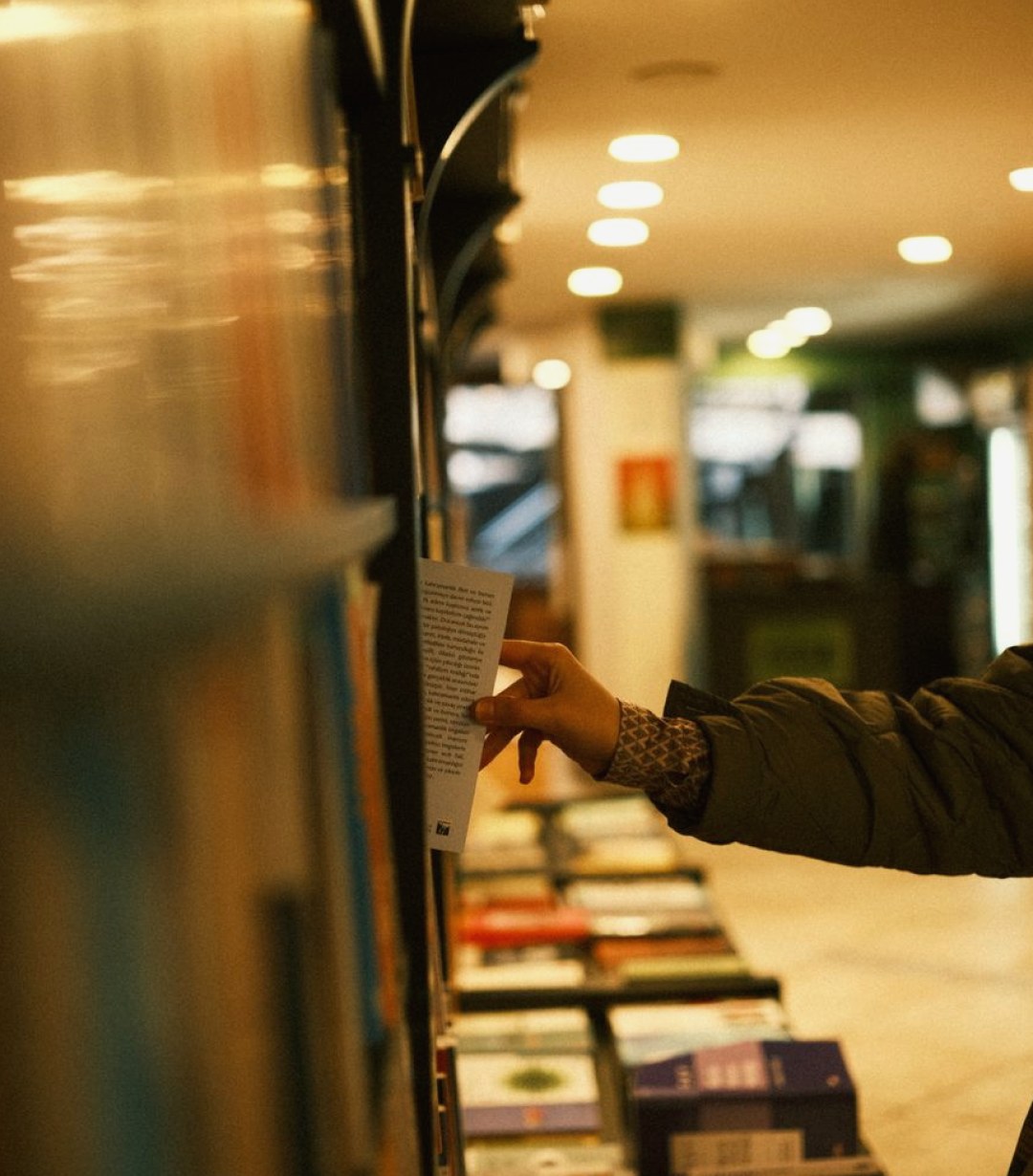
Bookstores work the same way. Look at the front table and the staff recommendation cards. If the picks are varied, a little odd and clearly argued for in a few lines, a person who reads is behind them. If the shelves mirror what any large retailer would stock, you may as well stay home.
Galleries are harder, and I give them a little more patience. I look for wall labels that name the artist, the medium and a price or a note on how to enquire. Missing information is not a failure, yet clear labelling suggests a gallery that welcomes questions from people who are not already collectors.
- Short menus often mean confident kitchens
- Handwritten shelf notes show real readers
- Clear wall labels show a welcoming gallery
Check the practical details before you set out
Enthusiasm is not a plan. Before I recommend anywhere to readers, I confirm the basics: the street address, the days it is open, whether there is a step at the door, and whether it takes cards or only cash. These details sound dull until you have driven forty minutes to find a closed shutter on a Monday.
Many of our readers travel with friends, parents or grandchildren, so I also note the small comforts: seating that is not a bar stool, a washroom, a quiet corner, parking within a short walk. A place can be wonderful and still be wrong for a particular afternoon, and saying so honestly is part of being useful.
When a detail is uncertain, I say so in the article rather than guess. Small businesses change their hours with the seasons, and the most reliable step before any visit is a short phone call or message to the owner.
- Confirm days and hours directly with the business
- Ask about steps, seating and washrooms
- Check how payment is accepted
Watch how the staff treat the room
On a first visit I stand still for a few minutes and watch. Does someone greet you without hovering? Do they speak to regulars and strangers in the same tone? Are they willing to say what is good today and, just as usefully, what is not? That last test tells me more than any award sticker.
I have photographed cafés where the owner put down a tray to show me the pastry shelf, and bookstores where the clerk found a title for a stranger in under a minute. Those moments rarely make the headline, yet they are why people return and why I keep a place on my own list.
If service is slow because the room is full and the team is doing careful work, I count that in a place's favour. If it is slow because nobody seems to be in charge, I note that too. Being honest about both is the reason readers trust a recommendation.
- A greeting that does not hover
- Honest advice on what is best today
- Same warmth for regulars and strangers
Let the light and the room tell you how long to stay
My camera has made me a reluctant expert on rooms. Good natural light, a layout that lets people move without squeezing past each other, and surfaces that look used rather than staged all suggest somewhere designed for lingering. Cold fluorescent light and crowded tables suggest a place meant for quick turnover.
Decide what you want from the visit before you go. If it is an hour with a book and a pot of tea, choose the room with the armchair and the window. If it is a lively lunch with friends, a bustling counter may suit you better. Neither is superior; they simply serve different afternoons.
Autumn adds its own charm, with low sun slanting across tables and steam rising from cups. If a place looks inviting on a grey weekday morning, it will almost certainly look better on a bright one.
- Match the room to your plan for the visit
- Look for natural light and space to move
- Notice whether surfaces look lived in
Keep a short list, and leave room for surprises
After many years of this work I carry a short mental list rather than a long spreadsheet. Three or four questions cover most of it: does it feel cared for, does it have a point of view, are the practical details clear, and would I take someone I like there? If the answer to all four is yes, I write about it.
The list should serve you, not rule you. Some of my favourite discoveries failed half the tests on paper and won me over within minutes of walking in. A cramped bookshop with a cat asleep on the poetry shelf has no checklist score, and it is exactly the kind of place worth the detour.
So use these questions to avoid disappointment, then set them aside once you are through the door. The point of an independent business is that it cannot be reduced to a table of criteria, and the best visits leave you with a story you did not expect.
Get in touch
- Phone
- (807) 334-3841
- Write to us
- editor@nelixra.net
