
How We Plan the Places and Travel Guides Readers Ask For
Our editor explains how a Places and Travel guide takes shape, from choosing a scenic spot in a province to checking details and deciding what readers actually need before a trip.
6 minutes to read
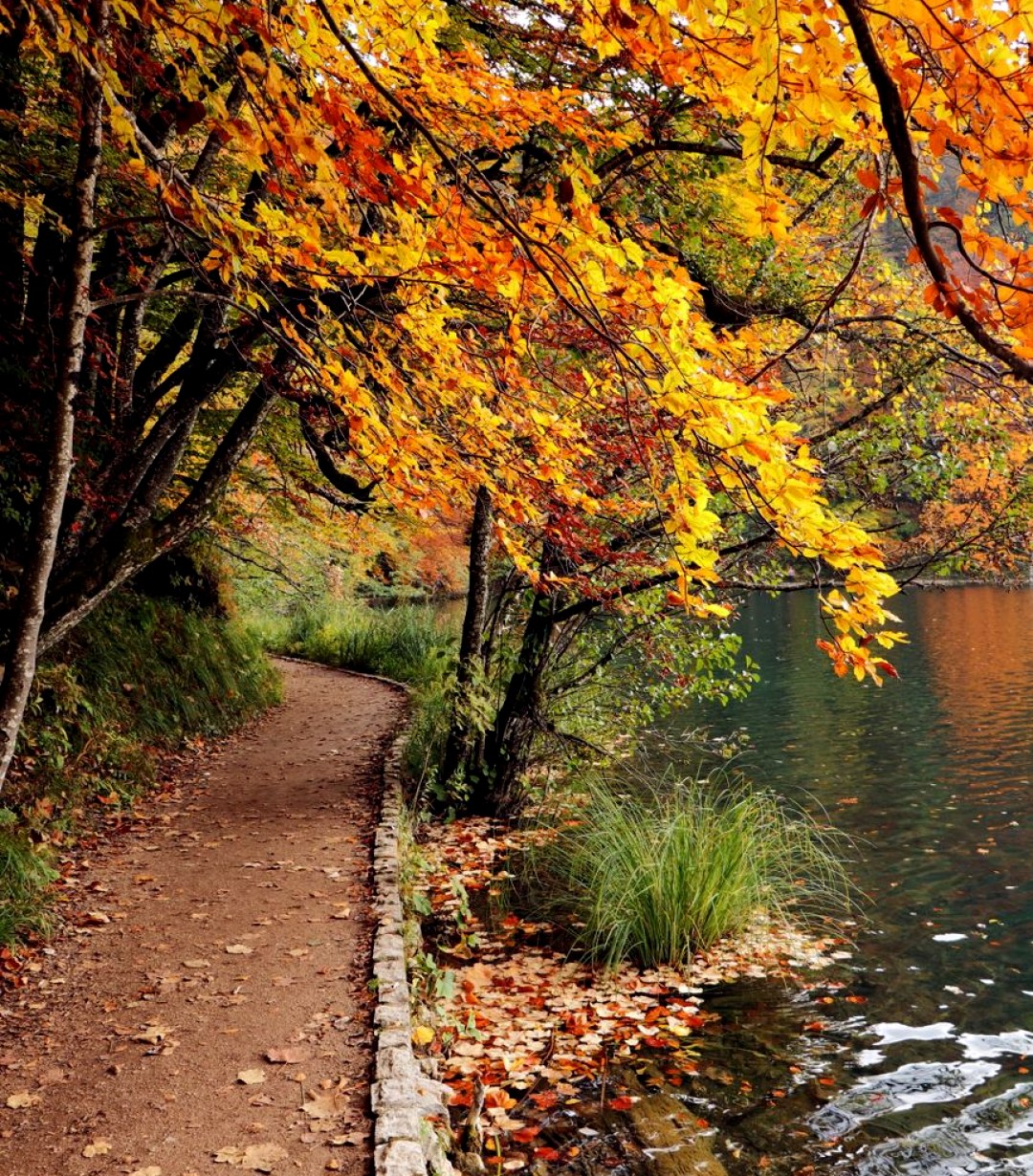
What a destination guide is meant to do
Places and Travel is the part of the magazine that points readers toward scenic spots and regional destinations across the provinces. As editor-in-chief, I read every guide before it goes up, and the question I keep asking is simple: would a reader with a free weekend know what to do after finishing it? A guide that only admires a view leaves the work to the reader.
So each guide has a plain job. It names the place, says how it feels to be there, and gives enough practical detail that a person aged fifty or sixty can plan the day without a second search. We write for adults who like to drive, walk at an easy pace and stop for a good coffee, and who appreciate being told honestly when a trail is steep or a road is slow.
We do not treat destinations as a ranking contest. A small lakeside village and a well-known viewpoint can sit side by side, because both belong to the country readers live in.
How we choose which places to feature
Ideas come from several directions. Writers travel for other assignments and notice places worth a return visit, readers write in with favourite corners of their own region, and our photo editor, Colin MacAskill, often comes back from a shoot with a landscape that deserves more than a caption.
From that pile we look for balance. We try to cover different provinces across the year, mixing coastal, lakeshore, forest and small-town settings, rather than stacking several similar guides in one stretch. A destination also has to be reachable by ordinary readers, not only by people with specialist gear or a week to spare.
Finally, we ask whether we can say something specific. A place we can describe only in general words, with nothing to show about its paths, its quiet hours or its surroundings, waits until we have a proper visit behind it.
- A clear sense of place that can be described in concrete terms
- Reasonable access for readers of varied mobility
- A different region or setting from the guides before it
From first notes to a finished guide
A guide usually begins with a visit and a notebook. The writer records how long the walk actually took, where parking was easy or tight, what was open, and what the light did in the late afternoon. Those plain observations matter more than any flourish, because readers plan around them.
Back at the desk the draft is organized by how a person would experience the day: getting there, the main stretch, a pause for food or rest, and the way home. Colin's photographs are chosen to show the real shape of the place, including a path surface or a lookout, not only the most dramatic angle.
I then edit for tone and trim anything that sounds like a brochure. If a sentence could describe any pretty place in the country, it either gains a detail or goes. The aim is a guide that sounds like a knowledgeable neighbour talking, friendly and curious but never overselling.
Why the season shapes every recommendation
In these mid-autumn weeks, the right advice changes quickly. Daylight shortens, shoreline paths can be damp or covered in leaves, and some small seasonal businesses begin to reduce their hours. A guide written for midsummer would mislead a reader heading out now, so we revisit and adjust the timing notes we give.
Autumn also has real gifts to offer. Colour along wooded trails, quieter viewpoints and cooler air for longer walks make this one of the better times to explore, particularly for readers who prefer to avoid crowds. We try to say so plainly and suggest sensible hours to start.
Where a place changes sharply between seasons, the guide says what to expect at the time of reading and what to expect later, so the same piece remains useful without pretending conditions never shift.
- Shorter daylight means earlier starts and a plan for the return trip
- Surfaces may be wet, so footwear is worth a mention
- Hours at small venues can change from one season to the next
What readers can expect from a Places and Travel piece
Every guide is free to read like the rest of our regular articles. There is no booking, no ticketing and nothing to buy on the site; we describe places and leave the arrangements to you. When a destination involves a private business such as a café or inn, we mention it because it is part of the experience, not as an advertisement.
You can expect a named location, an honest account of how it feels, and practical notes on getting there and what to bring. You can also expect us to say when something disappointed us, because a recommendation is only worth trusting if it admits its limits.
We write in a conversational voice because that is how people talk about places they love. If a guide leaves you with a clearer picture and a reason to head out the door, it has done what we set out to do.
Telling us what we have missed
The best guides often begin with a reader's suggestion. If there is a stretch of shoreline, a village main street or a lookout in your province that deserves attention, tell us through the contact page. Describe where it is and what makes it worth the trip, and include a note on the best time of year to go.
We cannot promise to cover every suggestion, and some need a visit before we can write about them honestly. But every message is read, and several guides have started exactly this way, from someone who knew a place better than we did.
Our writers are always listening for the next good destination, and readers are among our most reliable scouts.
Get in touch
- Phone
- (807) 334-3841
- Write to us
- editor@nelixra.net
