
What a Weekend Away Really Costs, and What Moves the Price
A practical look at what drives the cost of a short regional trip across the provinces, from fuel and lodging to the season you choose, with ideas for keeping it reasonable.
6 minutes to read
Start with the question readers ask most
When I write a guide to a scenic spot, the first letter I usually get afterwards is not about the view. It is about money. Readers want to know whether a lakeshore weekend or a drive to a small harbour town is realistic for a household on a fixed budget. That is a fair question, and the guides in this rubric should answer it plainly rather than leave it to guesswork.
The honest answer is that a short regional trip has no single price. A couple driving ninety minutes to a provincial park costs very little. The same couple flying across two time zones to see a coastline costs many times more. What changes the figure is a handful of decisions made early, long before anyone packs a bag.
In this piece I want to walk through those decisions in the order they usually come up, using the kind of trips we cover for readers in Ontario, the Prairies, British Columbia and Atlantic Canada. I will not quote a universal number, because it would be wrong for half of you.
Getting there is usually the largest line
For most regional trips, transport is the biggest single cost, and it is also the one people underestimate. Driving feels free because the car is already in the driveway, yet fuel, a stop for a meal and wear on the vehicle add up quickly over a long highway day, especially across the northern stretches where towns are far apart.
Distance matters, but so does the route. A scenic road that adds an hour may add a fuel stop and a lunch you would not otherwise buy. Ferries, bridge tolls and park access fees can appear partway through a journey, and they are easy to miss when you plan from a map alone.
Flying changes the picture again. Regional flights can cost more than the lodging for the whole stay, and baggage fees and ground transport at the other end belong in the sum. Before choosing a destination, I work out the round trip to the door of the first night's stay, not just to the nearest airport.
- Count fuel for the whole route, including detours to viewpoints
- Check ferry, toll and park entry fees before you leave
- Add the cost of getting from the airport or station to your lodging
Where you sleep sets the tone of the budget
Lodging is the second large cost, and it swings more than any other. A small independent inn near a harbour, a cabin by a lake and a chain motel on the edge of town can differ by a wide margin for the same night, and the cheapest is not always the worst choice for the experience you want.
Location inside the destination matters too. Staying a short walk from the shoreline or main street can save you parking and taxi costs, while a cheaper room twenty minutes out may erase the saving. I try to ask what is within walking distance before I compare nightly rates.
Booking directly with a small owner sometimes brings flexibility on dates or a weekday rate that large listings do not show. A short phone call is worth making, and many of the places I recommend are happy to talk through the stay before you commit.
Season, day of the week and length of stay
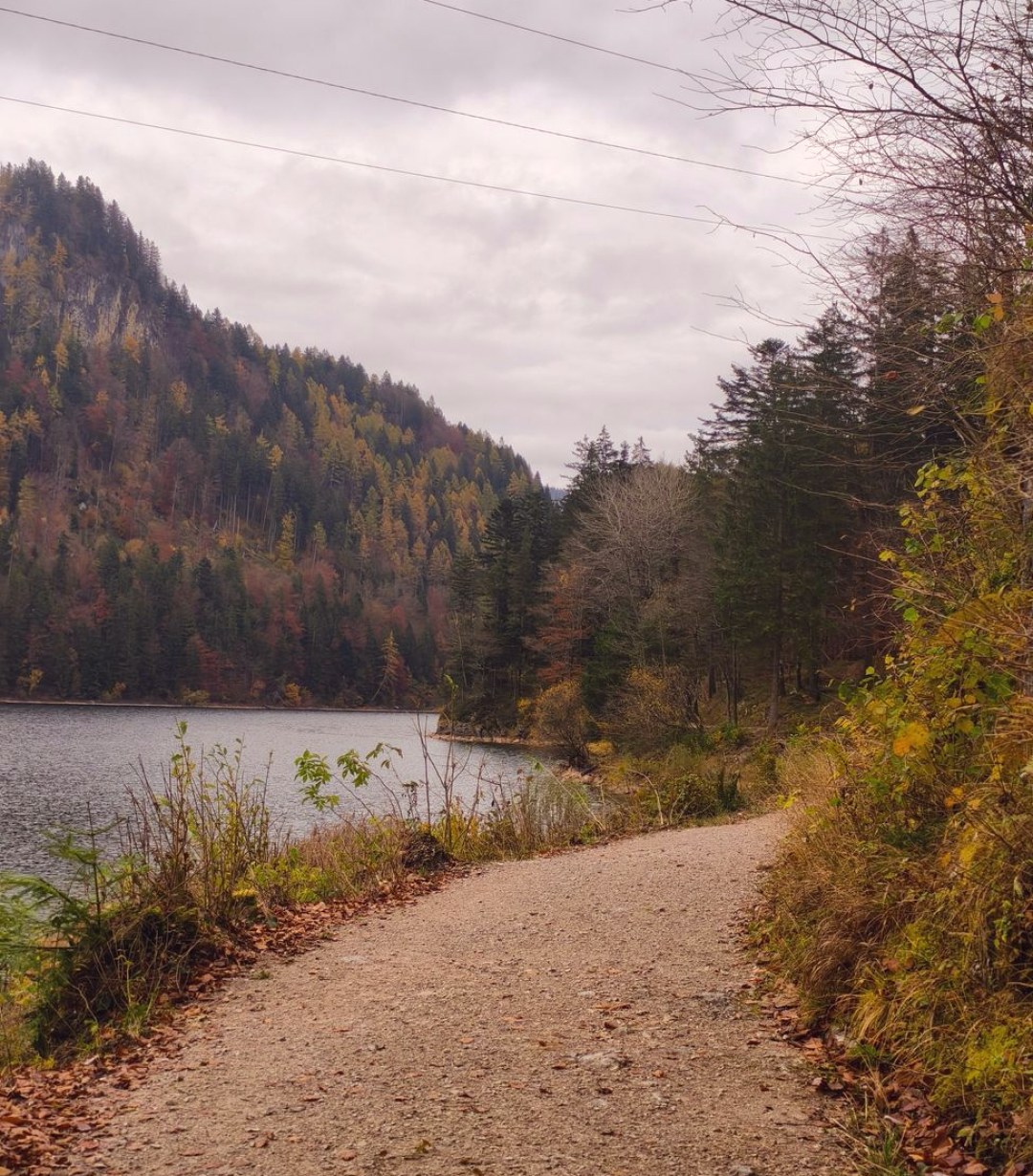
Timing moves the price more than most readers expect. Mid autumn is a good example: colour along the lakes and river valleys draws visitors, yet rates often ease once the busiest summer weeks have passed, and the trails are quieter. A midweek night is commonly gentler on the wallet than a Saturday.
Length of stay matters in a quieter way. Two nights usually cost more per night than four, because arrival and departure days carry their own expenses. A longer stay in one base can also cut daily driving and let you eat like a local rather than from a roadside menu.
Holiday weekends are the exception that catches people out. Prices and crowds both rise, and the small places I enjoy writing about fill early. If your dates are flexible, shifting by a few days is often the simplest way to lower the total without giving anything up.
- Compare a midweek stay with a weekend for the same place
- Longer stays in one base reduce daily travel costs
- Expect higher rates and fuller rooms on holiday weekends
Food, activities and the small extras
Meals are where a trip can stay modest or quietly run away. Eating at independent cafés and local restaurants is part of the pleasure, and a good lunch is often fairly priced, but three restaurant meals a day for several days becomes a real line in the budget. A picnic from a market on one day balances it nicely.
Activities vary widely. Walking a shoreline trail costs nothing, while a guided boat tour, a gallery entry or a museum ticket is charged per person. I list admission where a venue publishes it, and I suggest checking the venue's own page before you go, since fees change.
Small extras are the ones nobody plans for: parking, a souvenir from a local maker, a tip for a guide, a bag of firewood. None is large alone. Together they can add a noticeable amount, so I set aside a modest cushion for them instead of treating the trip as a fixed figure.
Ways to keep a trip reasonable
Reasonable does not mean thin. The trips readers tell me they remember are rarely the most expensive; they are the ones with a good base, an unhurried pace and one or two places chosen with care. Spending on a memorable meal or a room with a view and saving on transport is a trade many people are glad they made.
Choose a destination closer to home when you can, and let the region do the work. Canada offers a great deal within a few hours' drive of most towns, and shoulder-season visits are often the most rewarding. Decide your ceiling for transport and lodging first, then fill in the rest.
Finally, write the numbers down before you leave. A short list of expected costs for travel, lodging, food and activities makes it easy to see where you can adjust, and it takes the worry out of the weekend itself.
- Set a ceiling for transport and lodging first
- Choose a closer destination and travel in the shoulder season
- Write a short list of expected costs before you leave
Get in touch
- Phone
- (807) 334-3841
- Write to us
- editor@nelixra.net
