
Where to Wander Across Canada as the Autumn Weeks Turn Colder
Seasonal advice for planning scenic outings across the provinces in the coming months: timing your trips, dressing for changeable weather, and choosing quieter shorelines and small towns.
6 minutes to read
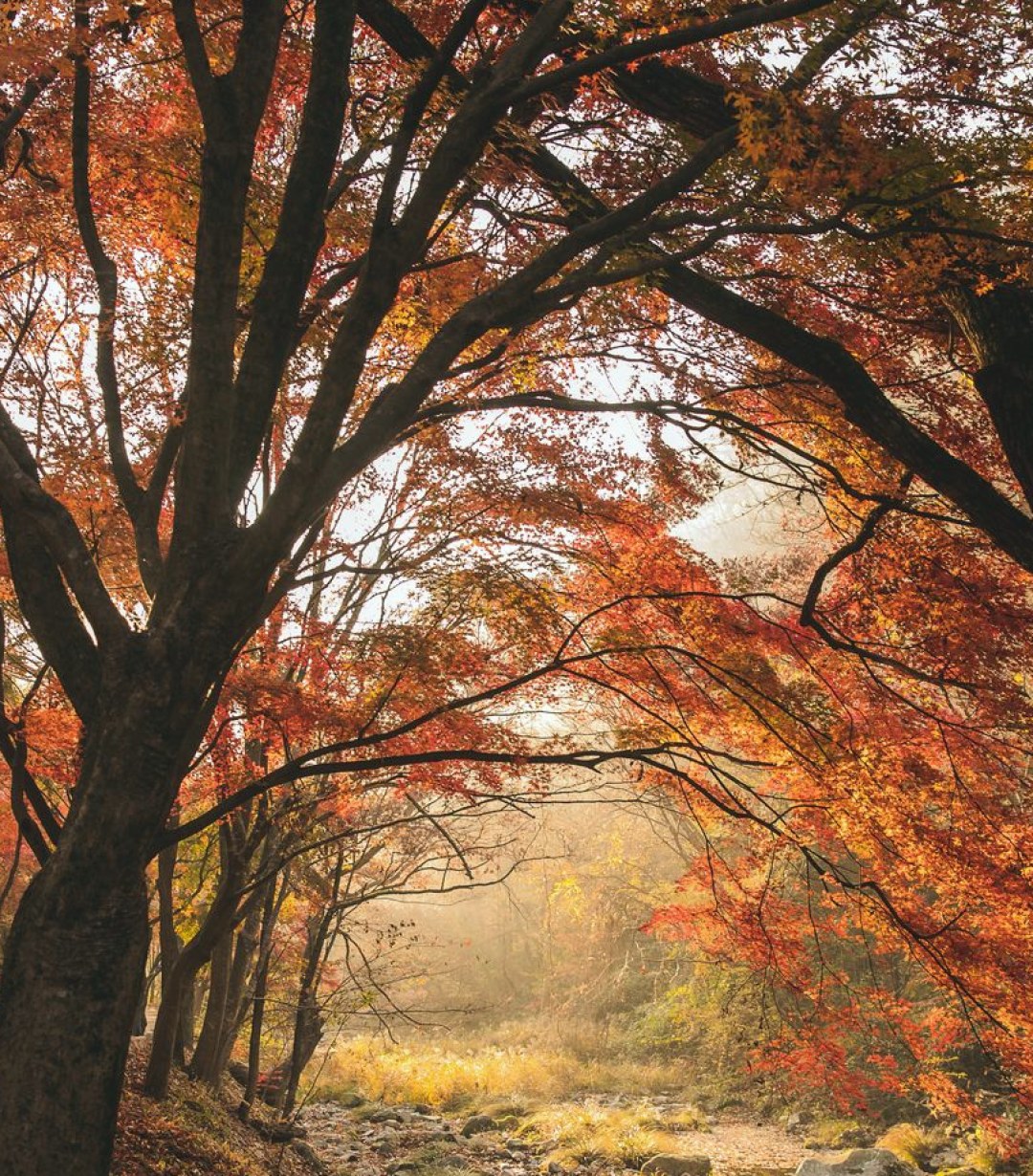
Why the late-season weeks reward a trip
Mid autumn is a generous time to travel in Canada, and also a short one. The crowds that fill lookouts and boardwalks in summer have thinned, parking is easier, and the light sits low and golden for most of the day. I have come to prefer these weeks over any other for scenic outings, because places that feel hurried in July tend to slow down and show their character now.
The trade-off is that the window closes quickly. Leaves that were at their best a fortnight ago in one region are already bare in another, and a stretch of coast that was pleasant last weekend can turn raw and windy by the next. Planning for that movement, rather than fighting it, is the whole skill of travelling well at this time of year.
Think of the coming months as three small seasons in a row: the tail of the colour, the grey and quiet stretch before snow, and the first proper winter days. Each suits a different kind of outing, and the sections below take them in that order.
Chasing the last of the colour
Colour moves from north to south and from higher ground to lower, so if you missed the peak near you, a short drive toward the water or into a valley can still turn up a good display. Lakeshores and river valleys hold their leaves longer than exposed ridges, because the water keeps the air a little milder and shelters the trees from the harshest wind.
Go early if you can. Morning light on still water is the picture most of us have in mind, and it is usually gone by late morning once the wind picks up. Bring a thermos and sit for a while at one spot rather than racing between lookouts; you notice far more that way, from the smell of wet leaves to the way a loon call carries across a quiet bay.
If you are driving a longer route, build in a few unplanned stops. Some of the best views I have found were pull-offs I nearly drove past.
- Choose lakeshores and valleys over exposed ridges for lingering colour
- Aim for the first two hours after sunrise for calm water
- Pack a flask and a folding seat for unhurried stops
Dressing and packing for changeable weather
The most common mistake I see on autumn outings is dressing for the hour you set out rather than the hours that follow. A bright, mild start can give way to cold rain by early afternoon, particularly near large lakes or along the Atlantic coast. Layers are not a cliché here; they are the difference between a pleasant day and a short one.
Start with a warm base layer, add something that breathes, and carry a light waterproof shell even when the sky looks settled. Footwear matters more than people expect. Leaf litter hides wet roots and loose stones, and a trail that was dry in summer can be slick now. Boots with real grip are worth the weight.
Keep a small bag in the car with spare socks, gloves, a hat and a towel. It costs almost nothing, takes up little room, and has rescued more than one of my afternoons when a short stroll turned into a muddy, soaking walk.
- Wear layers you can add or remove without stopping long
- Carry a light waterproof shell on every outing
- Keep spare socks, gloves and a hat in the car
Small towns and quiet shorelines in the shoulder months
Once the summer visitors leave, small towns along the water settle into a different rhythm, and that is when I most enjoy them. Harbour fronts are calm, walking paths are nearly empty, and the people who run the local cafés and shops have time to talk. A scenic outing does not have to be a strenuous one; a slow loop along a breakwater followed by a hot drink is a complete day.
Be realistic about opening hours, though. Many seasonal attractions, ferries and lookout facilities shorten their schedules or close for the winter around this time. Check ahead by phone or on the venue's own notices before you commit to a long drive, and have a second stop in mind in case the first is shut.
I would rather arrive somewhere pleasant and find one door closed than spend the day disappointed, so I always carry a flexible plan with an easy fallback close by.
Shorter days and how to plan around them
Daylight shrinks quickly in the coming weeks, and it catches travellers out more than any storm. A trail that takes two hours in summer can feel very different when the sun drops behind the trees at the end of the afternoon. Work backwards from sunset when you plan, and aim to be heading back well before the light starts to fade.
This is especially true in the northern parts of the country, where the gap between a golden evening and full dark is short. Carry a small torch or headlamp even for a modest walk, and tell someone where you are going and when you expect to be back.
The reward for planning around the dark is a pleasant one. Arriving back at the car with the last light on the water, then driving to a warm table somewhere nearby, makes the short days feel like part of the pleasure rather than a limit.
- Work backwards from sunset when choosing a route
- Carry a torch or headlamp, even on short walks
- Share your route and return time with someone
Getting ready for the first winter outings
As the weeks turn colder, the scenery changes character rather than ending. Frost on a shoreline, mist over an early lake and a first light dusting of snow on a familiar trail can be as striking as any bright autumn day, and far quieter. The main change is in how carefully you prepare.
Check road and trail conditions before you leave, keep fuel tanks comfortably full, and treat a cold snap as a reason to pack more, not to stay home. Warm gloves, a proper hat and a hot drink make an enormous difference to how long you can enjoy being outside.
Most of all, keep your expectations flexible. Some outings will be cut short by weather, and that is part of travelling in Canada at this time of year. The places will still be there, and many of them look better for a little cold.
Get in touch
- Phone
- (807) 334-3841
- Write to us
- editor@nelixra.net
